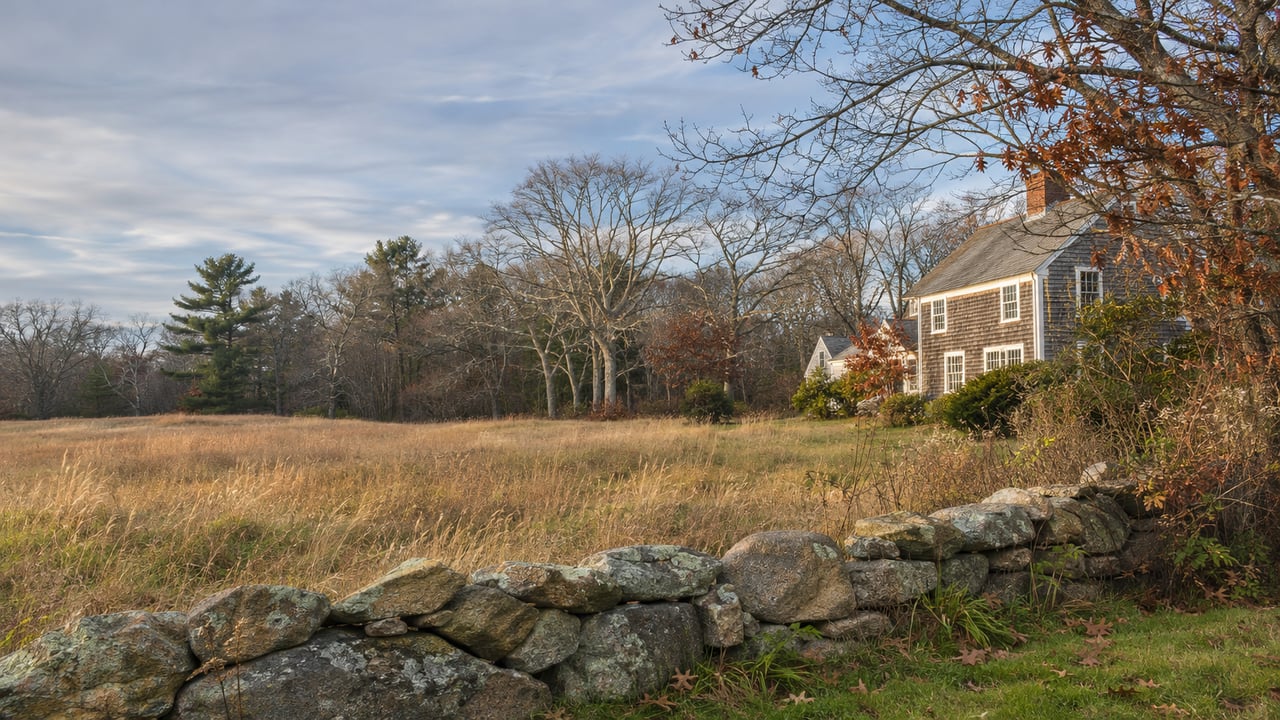
From January through October 2026, Essex recorded 25 single-family closings at a median of $950,000. At the end of October, 3 single-family homes were for sale, about one month of supply, according to the Massachusetts Association of REALTORS® October 2026 report for Essex. Over the same ten months, Gloucester closed 100 single-family sales at a $770,000 median and had 56 homes listed. Ipswich closed 74 at $905,000 with 21 listed. Hamilton closed 65 at $840,000 with 16 listed.
Put side by side, those figures make Essex look like the most expensive of the four towns. The higher median comes from a supply of houses that is close to fixed, held in place by difficult soil, a sewer system at capacity and farmland under conservation restrictions. In a market that small, the part of town a house sits in and the utilities that serve it tell a buyer far more than the median does.
What 25 Sales Can and Cannot Tell You
On the same MAR report, Essex's October 2025 single-family median was $547,500. Two homes closed that month. In October 2026, none closed. The report adds its own caution beneath the table, noting that one month's activity "can sometimes look extreme due to small sample size." With 25 sales in ten months, a handful of closings at either end of the price range can shift the town-wide figure.
The year-to-date columns are steadier, and they point in an unusual direction. Pending single-family sales from January through October rose from 16 in 2025 to 29 in 2026, an 81% increase. Closings rose from 15 to 25. Cumulative days on market dropped from 58 to 39. Over the same period, sellers received 96.9% of their original list price on average, down from 100.8% in the first ten months of 2025. The report also notes that the figure does not account for seller concessions.
So 2026 brought more buyers and faster sales, yet Essex sellers received a smaller share of their opening asks than they did in 2025. The town-wide median rose only 2.2%, from $930,000 to $950,000, across the two ten-month periods. Buyers were active but still selective, and the wide spread of prices inside one small town begins with what lies under it.
Pipes and Ground
Essex's sewer took a long time to arrive. The town's open space plan records years of studies of shared septic systems, a town-wide collection system and a treatment plant of its own, each of which ran into technical, financial or regulatory obstacles. In the early 2000s the town reached an intermunicipal agreement with Gloucester to send its wastewater to Gloucester's treatment plant. The sewer was finished in 2006, and the same plan put its reach at over 800 residences and businesses out of roughly 1,200 developed parcels in town.
Those figures date from the 2006 build-out. The present-day picture comes from the town's January 2026 public-hearing draft Housing Production Plan, prepared with MAPC. It says some Essex properties have both public water and sewer, some have water only, and the rest rely on private wells and septic systems. It also says the sewer system is at capacity.
The ground adds another limit. The same plan describes Essex soil as either too soft to build on or very hard rock, often with grade and elevation problems, and says much of the town's open land cannot be developed. It characterizes Essex as primarily residential, with many large single-family lots.
This changes how a buyer should read a listing. In Essex, the houses on the market are mostly the houses that already exist, on lots that already exist, each with the mix of town water, sewer, well or septic it has today. Demand can grow while the supply barely moves, and the 2026 numbers show exactly that.
Edges That Will Not Move
Pipes limit how much can be built inside each part of town. Conservation fixes where each part of town ends. The town's June 2026 draft Open Space and Recreation Plan lists the restricted farms:
- Bothways Farm near Southern Avenue and Apple Street, a 110-acre conservation restriction held by The Trustees
- The Storey property at 143 John Wise Avenue, 136 acres under a Commonwealth-held restriction
- A 171-acre Greenbelt restriction on Western Avenue
- Thornhill Farm on Island Road, 57.8 acres held by The Trustees
- The Hodges property on Apple Street, 22.4 acres under a Greenbelt restriction
Along the river, Essex County Greenbelt's Allyn Cox Reservation is a 31-acre salt-marsh farm at 82 Eastern Avenue, conserved in 1974. Historic New England's Cogswell's Grant covers 165 acres of coastal farm along the Essex River. A preservation restriction was placed on its landscape in 1976, and Historic New England took ownership in 1984. Across the water, The Trustees' Crane Wildlife Refuge is 697 acres, including part of Castle Neck and seven islands in the Essex River Estuary, Choate Island among them.
These farms and reservations set the open edges of the residential pockets along John Wise Avenue, Apple Street, Island Road and Eastern Avenue. The fields and marsh beside a house there are part of what a buyer is pricing.
Five Pockets, Five Separate Markets
The town's 2014 historic survey traces Essex's settlement to separate clusters: Essex Falls, Martin Street, Southern Avenue and Addison Street, the Town Center, Western Avenue and Winthrop Street. A buyer today sees the same pattern as a set of distinct markets.
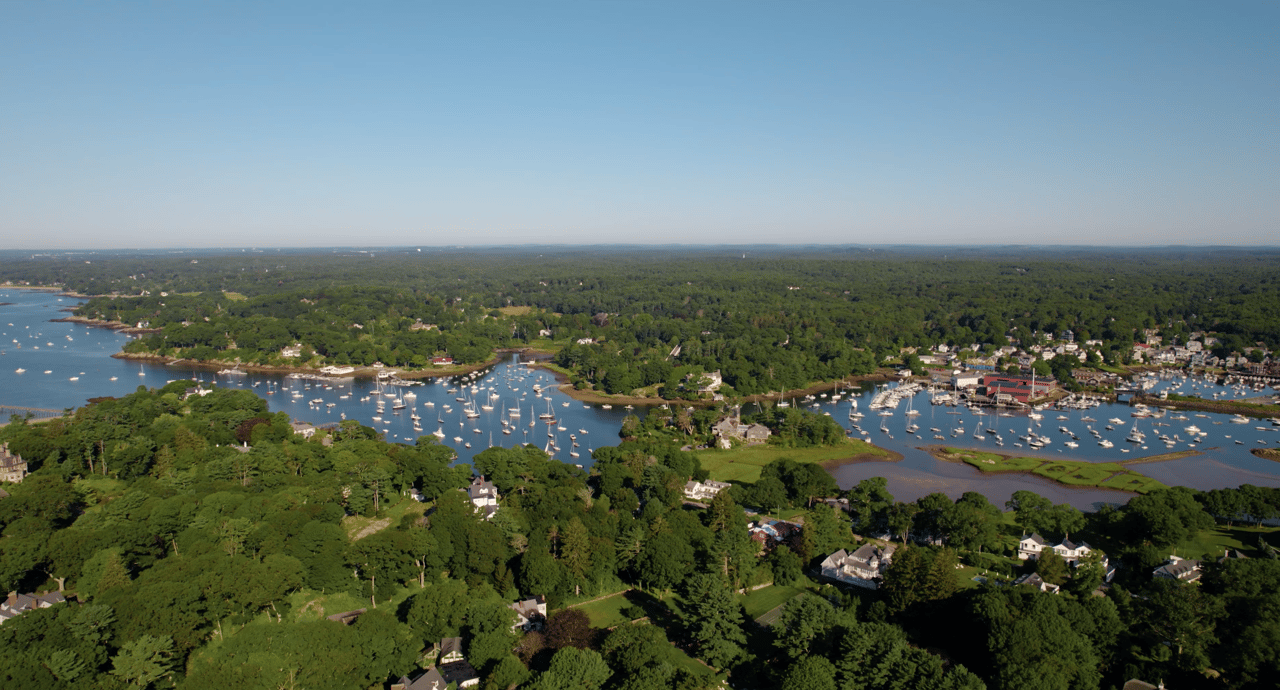
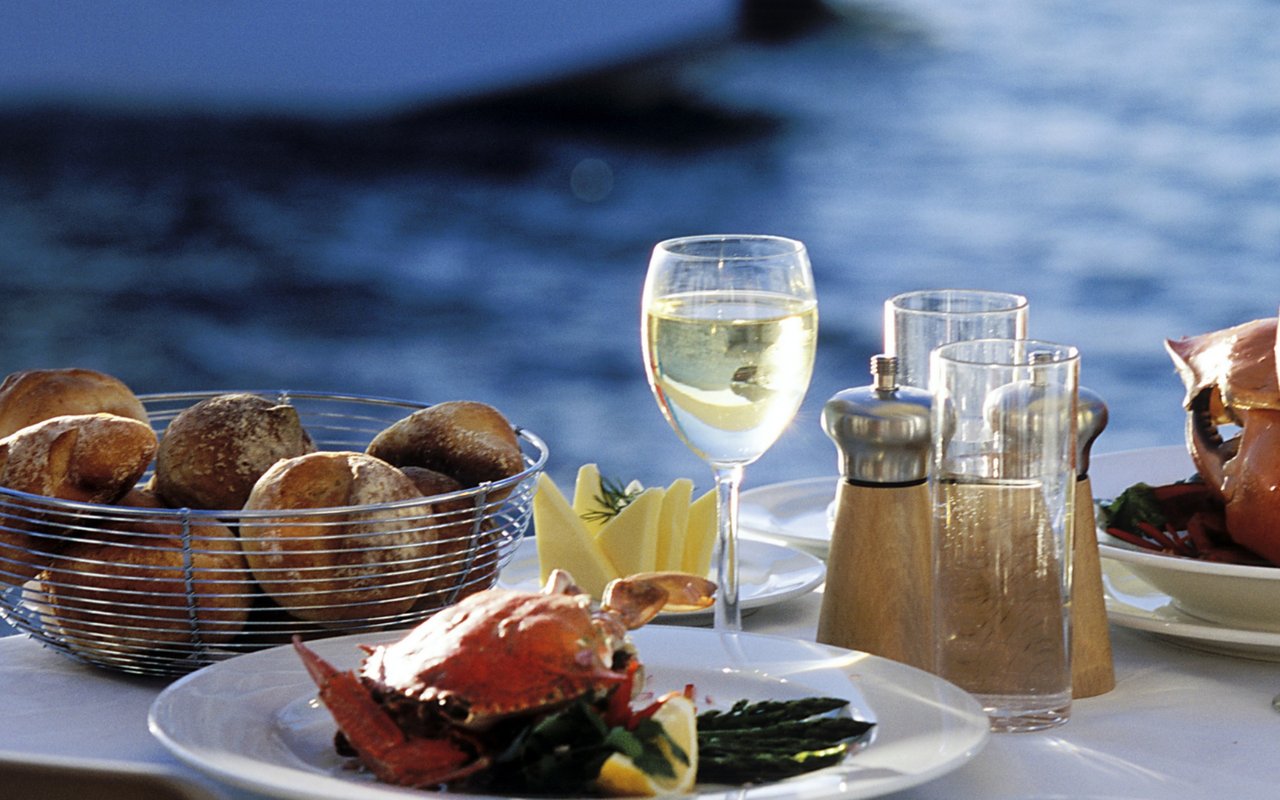
The Causeway. Main Street, Route 133, is the town's Downtown District. It sits inside the Essex River Cultural District, established in 2012. The Housing Production Plan records that the November 2025 Town Meeting approved zoning changes for the Downtown District. We wrote about the restaurants and museum along this stretch in Essex's late season on Main Street.
Conomo Point. This small peninsula sits where the Essex River meets Essex Bay, with cottages along the loop road and Middle Road. The cottages stand on town-owned land under long-term leases. The town's 2025 Annual Report says the leases are expected to bring the town nearly $650,000 a year over the 11 lease years that remain, and that the northern tenants have met state wastewater requirements. In August 2026 the Selectmen's agenda included offers for one-year seasonal leases on named Conomo Point, Robbins Island and Beach Circle properties. Conomo's cottages trade in a market of their own, apart from the rest of Essex.
Chebacco Lake. The lake lies partly in Essex and partly in Hamilton, and Centennial Grove is the public access point on the Essex side. Buyers comparing it with the Hamilton side can look at our Hamilton/Wenham guide.
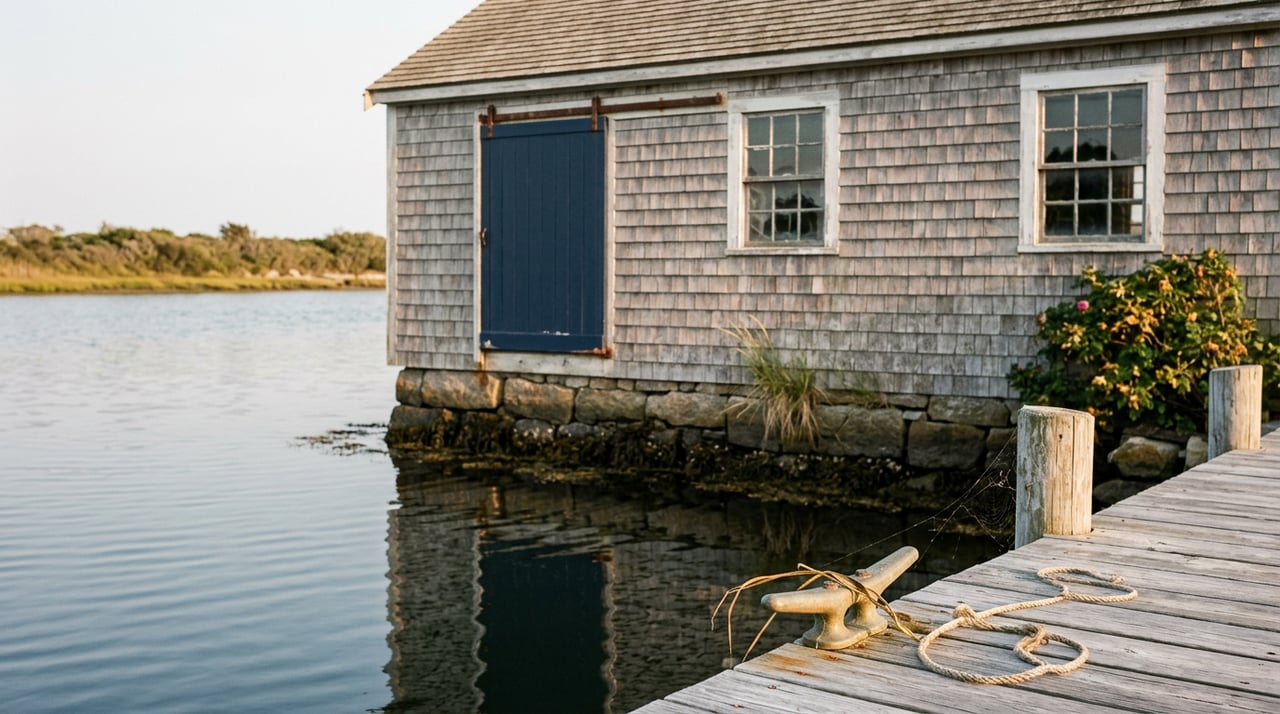
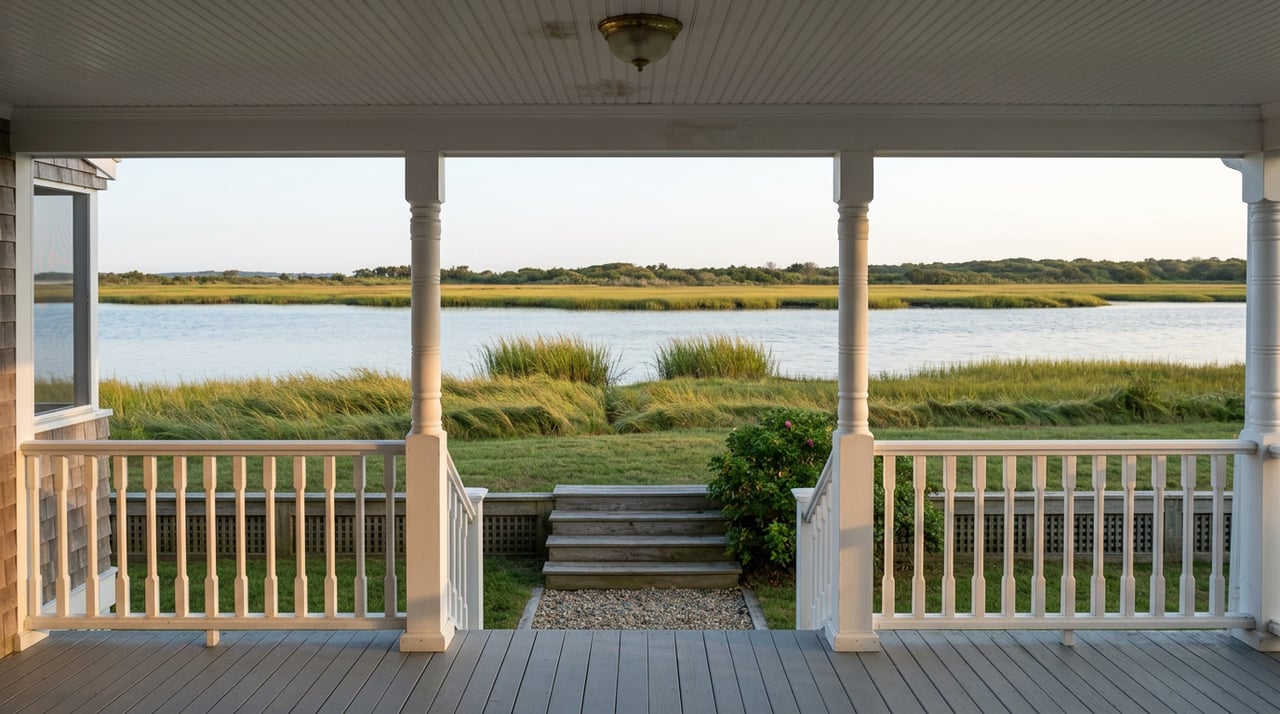
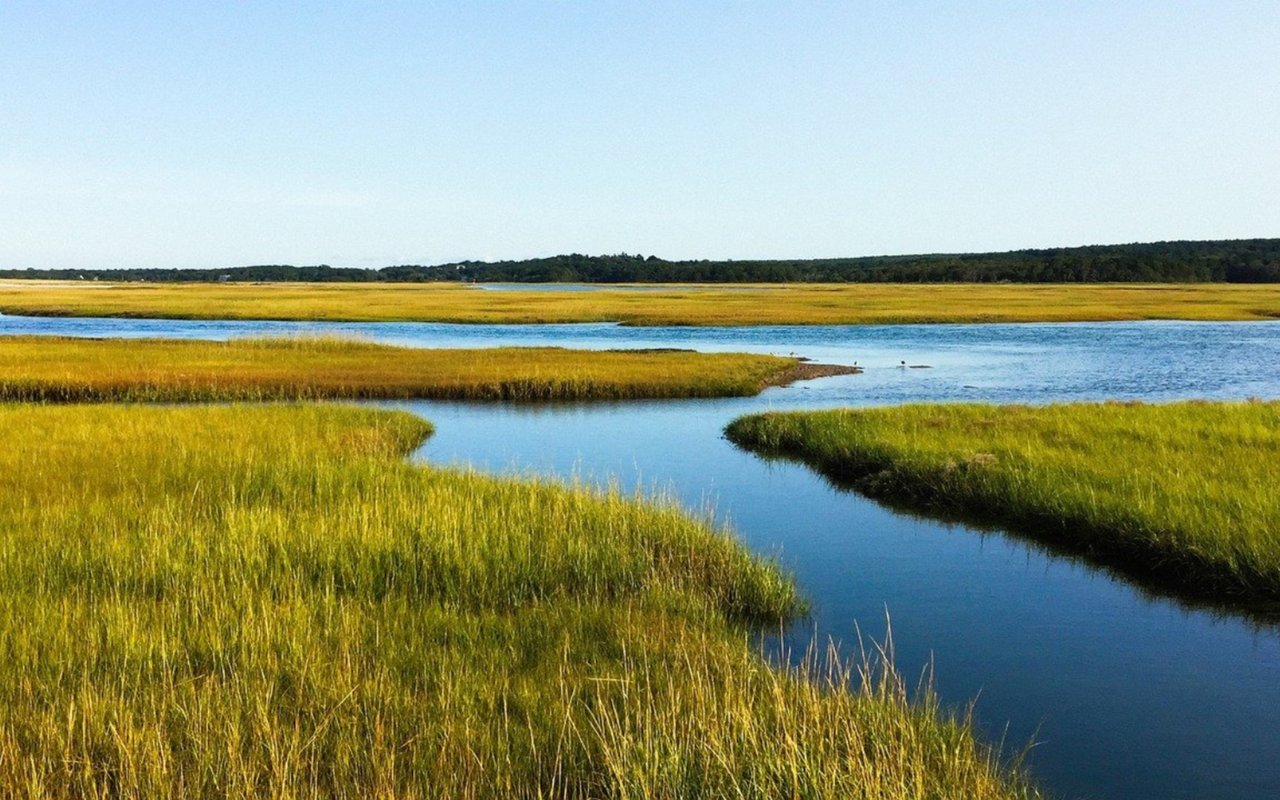
The marsh edges. Salt marsh runs along the Essex River, Ebben Creek and Lufkin Creek. Narrow roads such as Lufkin Street lead toward marsh and tidal-flat views. Island Road runs from John Wise Avenue toward the marsh and has a narrow public path to the water.
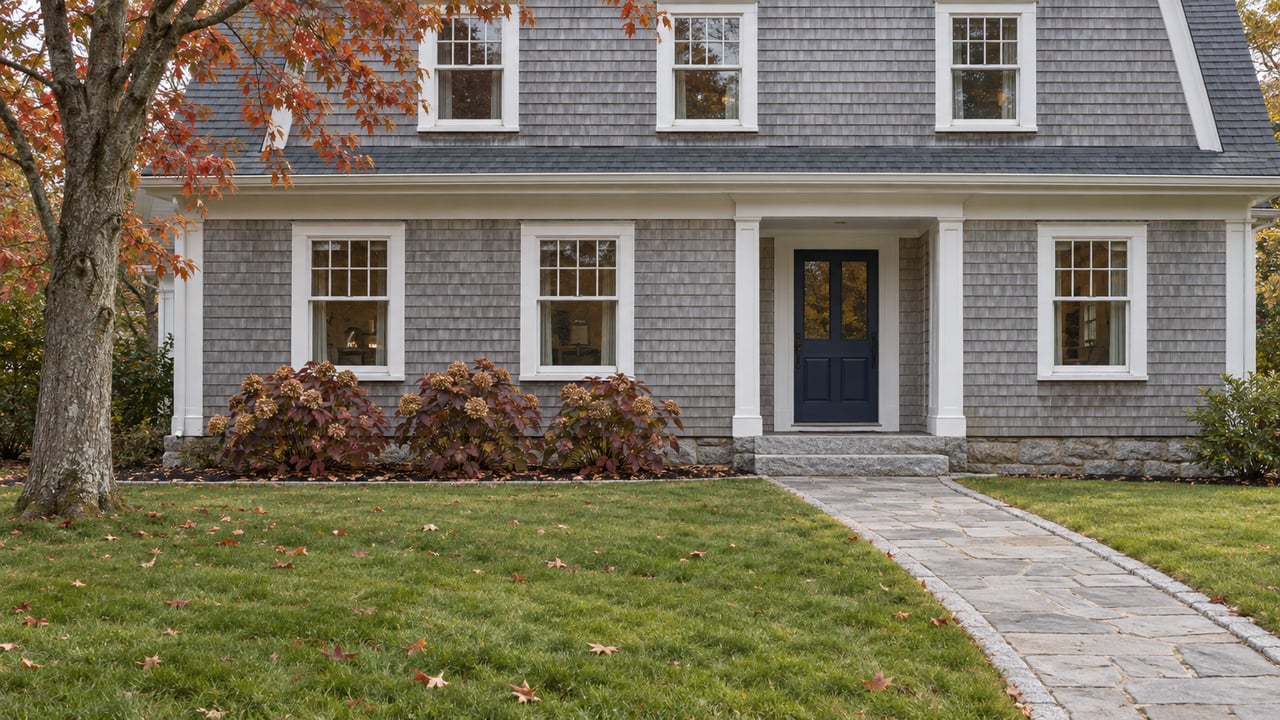
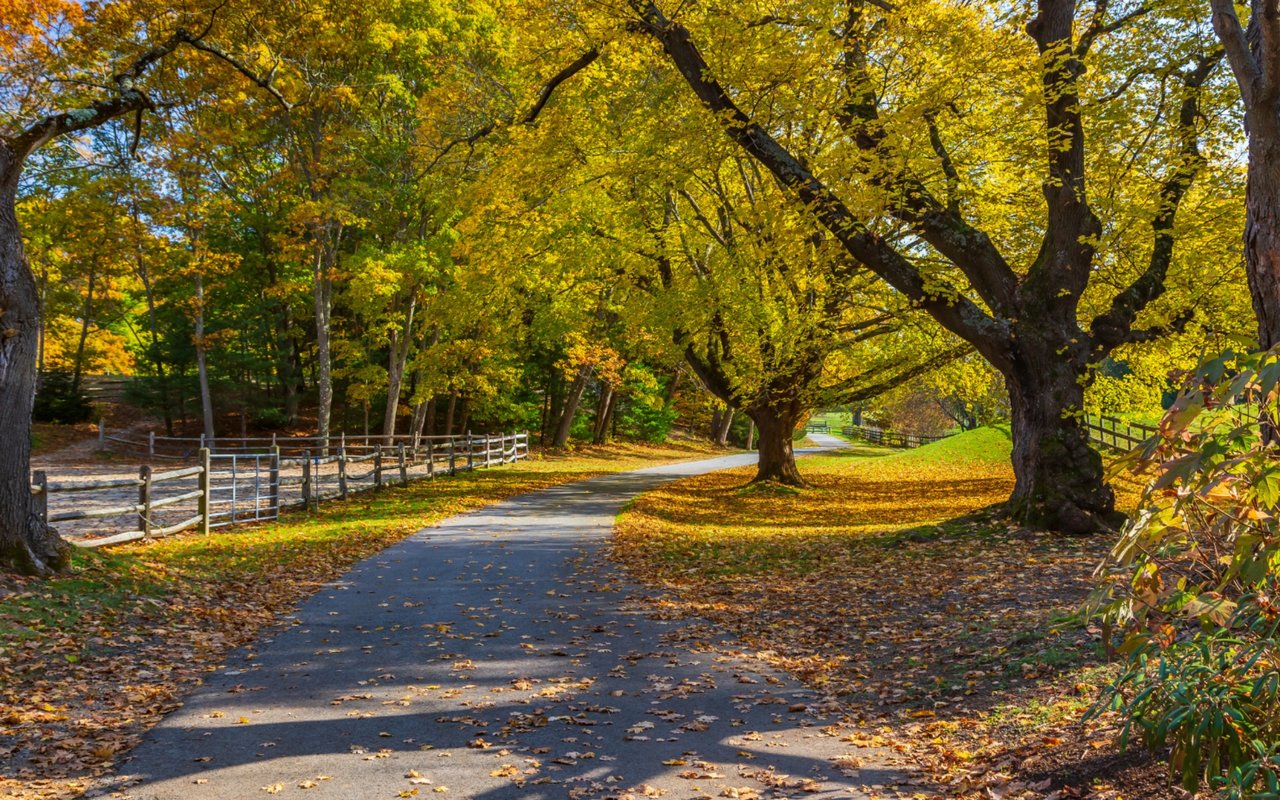
The farm roads. The historic survey describes broad meadows, farmsteads and large barns along the western part of John Wise Avenue. Apple Street links Western and Southern Avenues through hilly, winding terrain with views of fields and farmsteads. The conserved parcels listed above sit along these roads.
Three closings from the late summer and early fall of 2026 show how far apart these markets are. In early August, a 3-bedroom, 1,331-square-foot house on 0.19 acre off Lakeshore Drive sold for $970,000, about $729 per square foot. A week later, a 3-bedroom, 2,102-square-foot house on 0.93 acre off Lufkin Point Road sold for $1,234,000, about $587 per square foot. In early October, a 3-bedroom, 1,714-square-foot house on 0.69 acre on Lufkin Street sold for $785,000, about $458 per square foot. All three had the same number of bedrooms and closed within about two months of each other, yet the price per square foot ranged from about $458 to $729. The smallest house on the smallest lot brought the highest price per square foot. Essex's $950,000 median does not describe any of the three.
What This Means for a Buyer This Winter
The October report is the latest monthly data for publication day. It showed 3 single-family homes for sale in Essex at the end of October, down from 8 a year earlier. With so few houses on the market, it helps to know your target pocket before anything is listed. That means the street, the view and the utilities you want, so that a listing on Southern Avenue or near Centennial Grove can be judged against its own neighbors and not against the town average.
The 96.9% figure for January through October also shows that scarcity has not let sellers name any price, even with average days on market down to 39. A buyer who has studied the closings on a particular street has a firmer basis for an offer than the town median can give.
A Few Questions Buyers Ask About Essex
Is Essex more expensive than Gloucester? From January through October 2026, Essex's single-family median was $950,000 on 25 sales, and Gloucester's was $770,000 on 100 sales. Gloucester had four times as many sales over those months, so comparing one specific pocket with another tells you more. Our Gloucester and Ipswich pages cover those towns.
Can more homes be built in Essex? The town's 2026 housing plan names the soil, the wetlands and a sewer system at capacity as the main limits on new construction. It lists sites such as 89 Southern Avenue and 103 Western Avenue as places the town could explore for housing. They are not approved projects.
In Essex, the street and the lot set the price more than the town does, and with three listings on the market there is little time to learn that once one appears. If you are weighing Conomo Point against the farm roads, or the Causeway against the Chebacco Lake side, Nest | Syndi Zaiger Group offers neighborhood guidance and off-market sourcing to help you get to know those pockets before the next listing arrives. Start with our Essex neighborhood guide, or Contact Us.