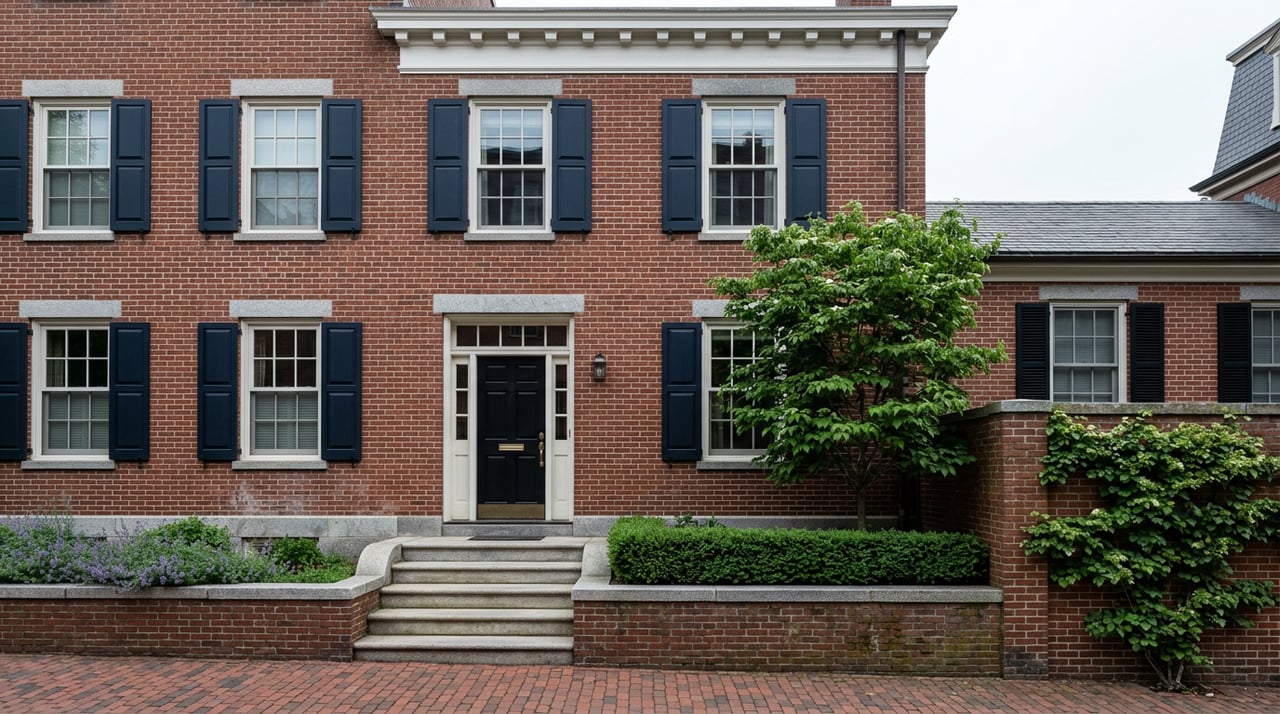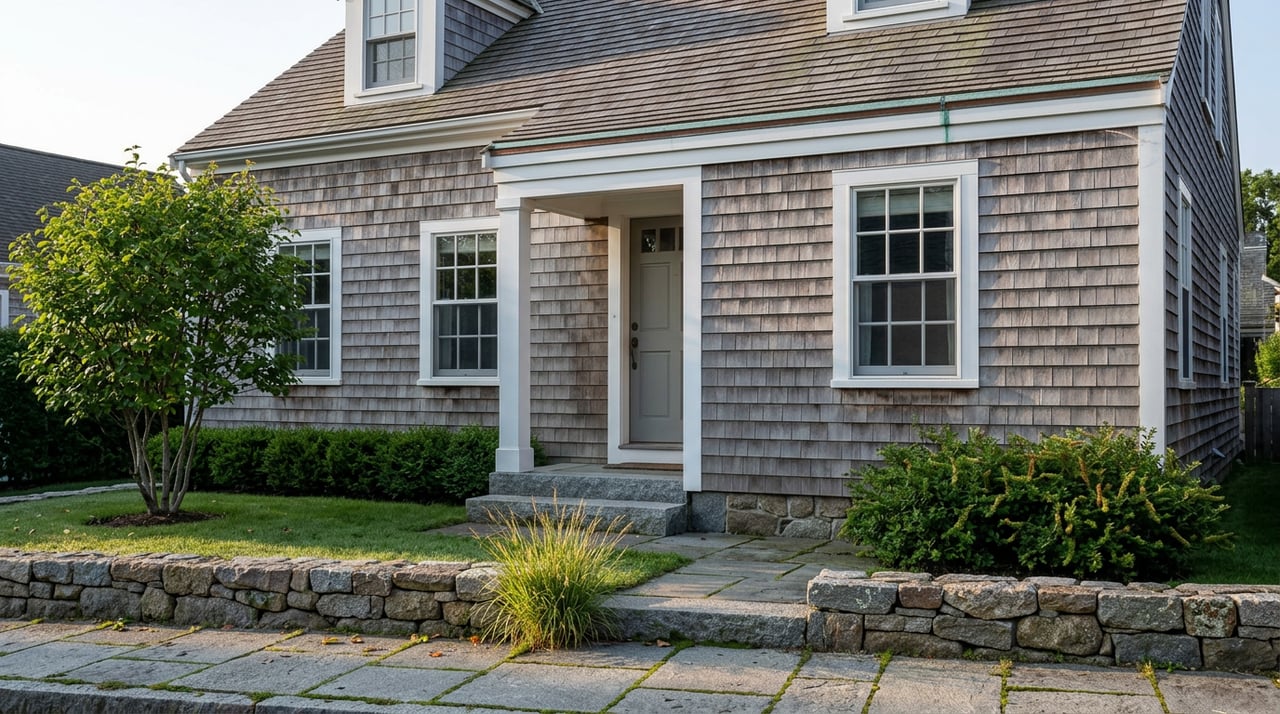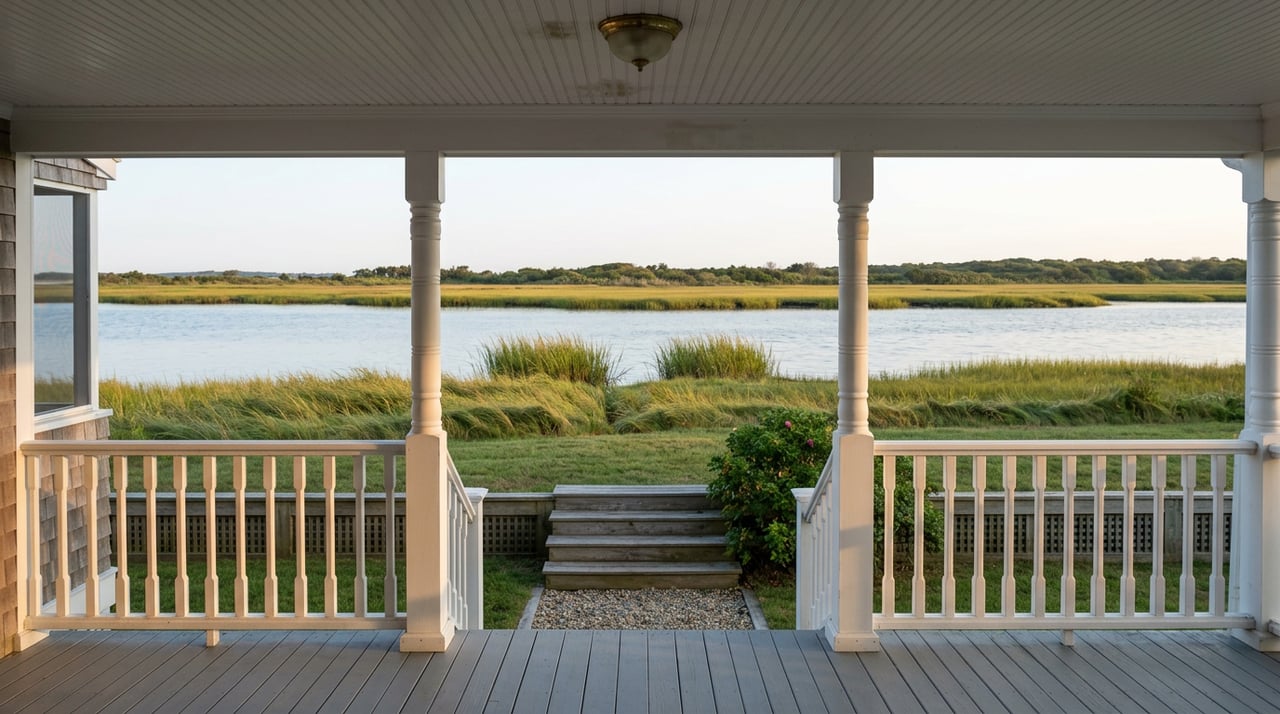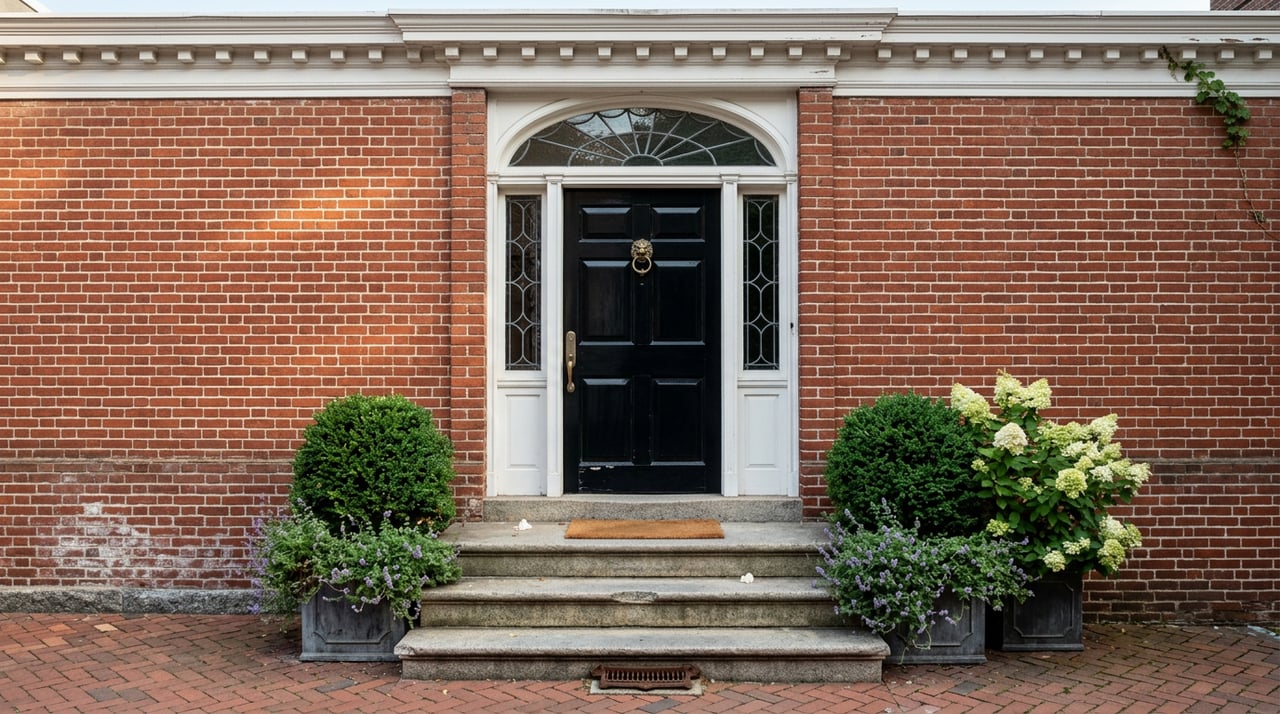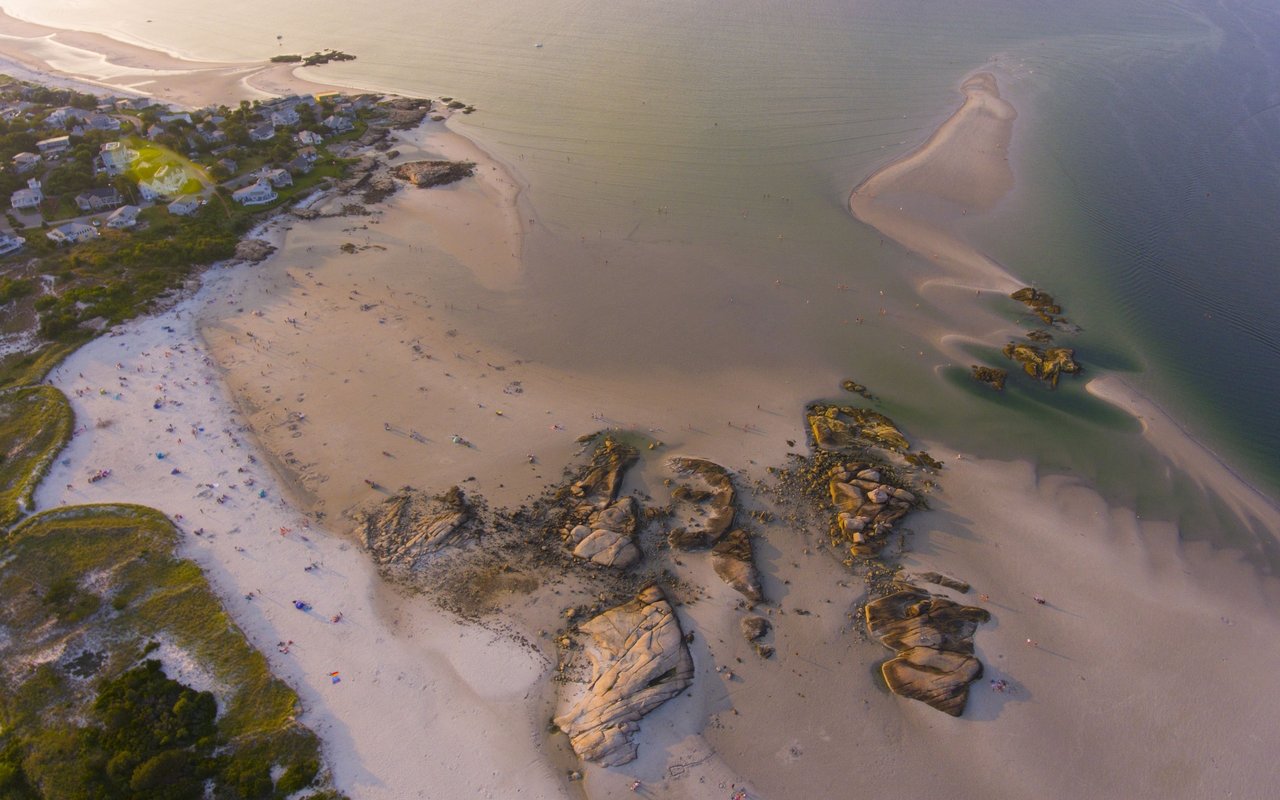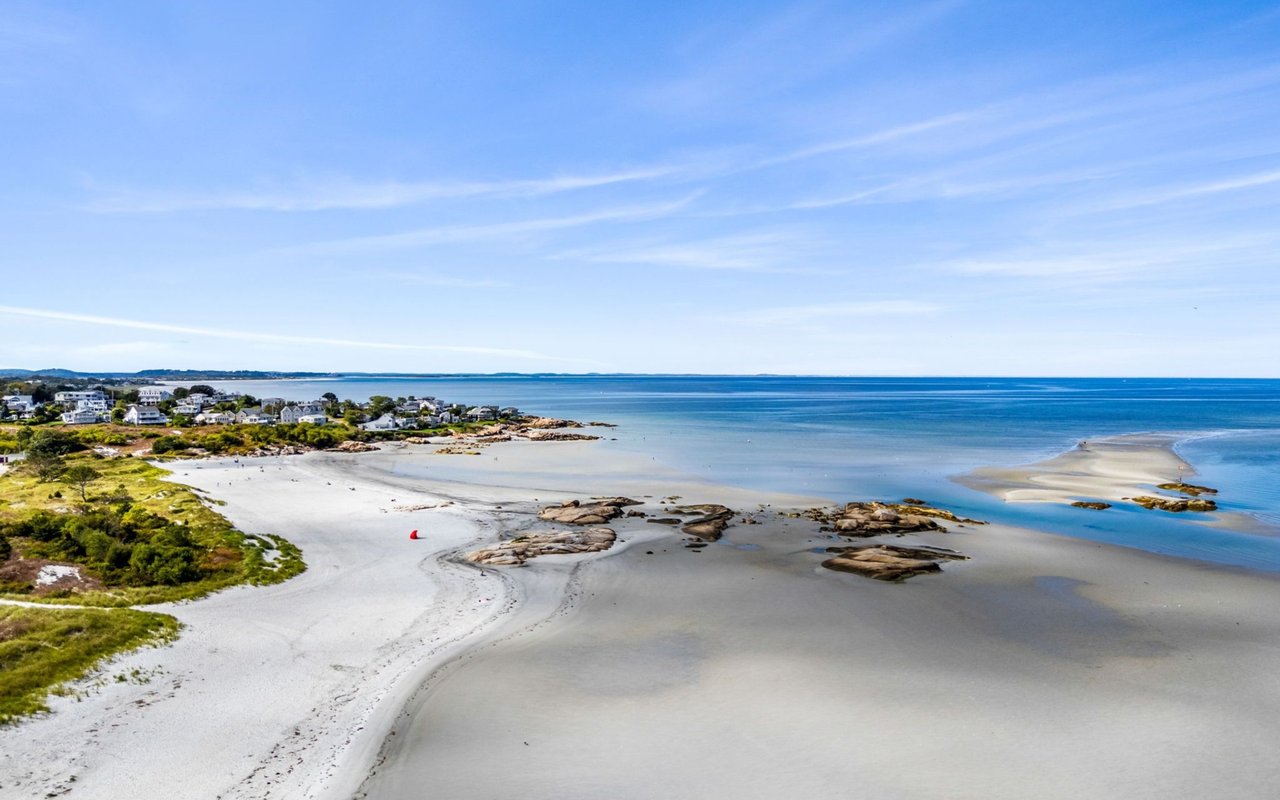
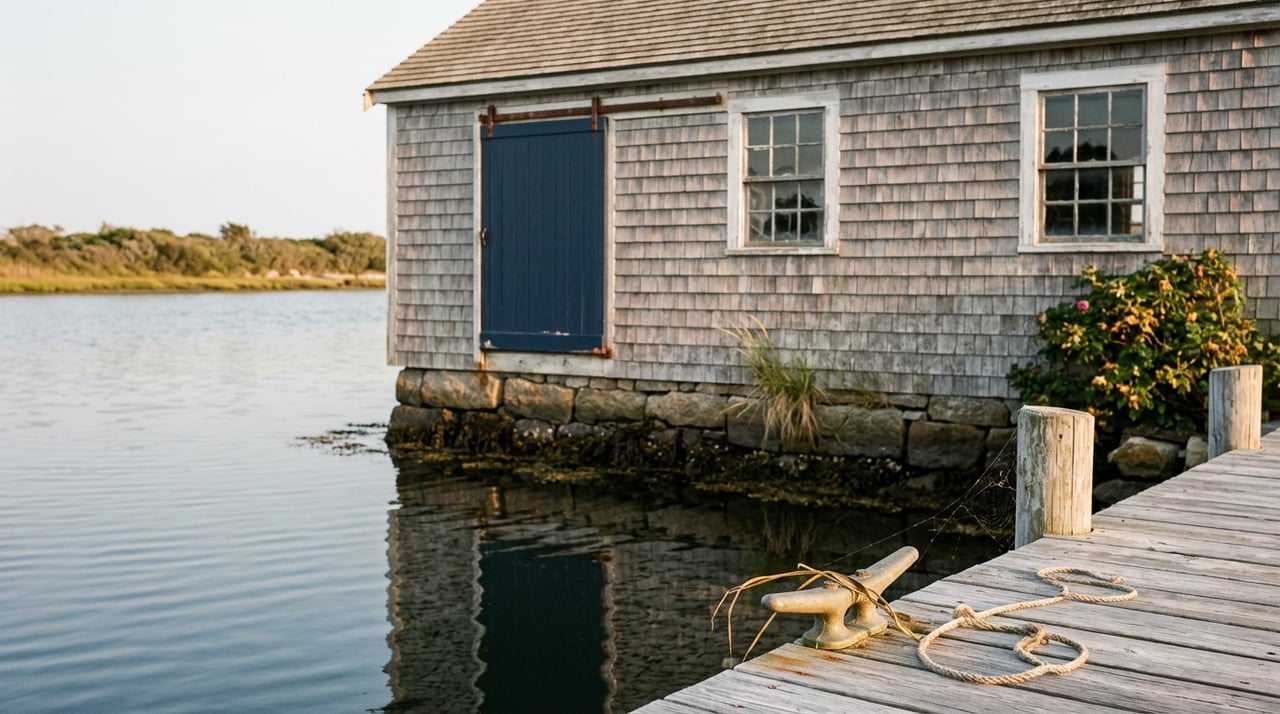
On a quiet stretch of Rocky Neck, Rackliffe Street runs downhill until the pavement gives out and a strip of grass takes over, sloping toward a ramp that disappears into Wonson's Cove. For years, that patch of grass was the center of a genuine property dispute among neighbors. The question was simple to ask and hard to answer: who actually has the right to cross it and use the ramp to reach the water.
The case that settled it, known as Maslow v. O'Connor, did not turn on modern zoning or a homeowners association bylaw. It turned on a Chapter 91 license granted back in 1925, when the owners of the waterfront end of Rackliffe Street were permitted to fill the tidelands and build a seawall. That fill became the grassy strip. The license that authorized it is still the governing document today, a century later, for a dispute among people who own homes nowhere near a fishing boat or a marina.
That case is not a historical footnote. It is the clearest local illustration of something every buyer eyeing a dock in Gloucester Harbor needs to understand before an offer goes in: the dock is rarely a fixture that transfers with the house the way a furnace or a fence does. It sits on a license issued by the state, and that license has a term, a paperwork trail, and a real chance of lapsing into something a title company will flag at the worst possible moment.
The License, Not the Land
Massachusetts is one of a small number of states where private landowners can own land down to the low water mark, a legacy of the Colonial Ordinance of 1641 to 1647. That ownership sounds like it should settle the question of who controls a dock. It does not.
Chapter 91, the Massachusetts Public Waterfront Act, is the oldest waterways law in the country and it exists precisely because that private ownership comes with strings attached. Even where you own down to the low tide line, the intertidal zone between high and low water remains subject to a public easement for fishing, fowling, and navigation. Build a dock, a pier, or a seawall in that zone and you need a license from the state Department of Environmental Protection, not just a deed.
That license, not the seawall or the pilings themselves, is the asset that actually determines what a buyer is getting.
What Actually Expires
Chapter 91 licenses are not permanent. Depending on the type of authorization, terms commonly run in the range of five to fifteen years before renewal is required. When a license lapses without renewal, the structure it once authorized can be treated as unauthorized, and that single word carries real weight at closing. Title insurance companies routinely flag unauthorized waterfront structures as violations, which can stall or derail a sale that everyone assumed was a formality.
There is a second, quieter risk that has nothing to do with the calendar. A Chapter 91 license does not automatically follow the property from one owner to the next. It has to be recorded at the registry of deeds. Skip that step and the license can be treated as void even if the underlying paperwork was never revoked, simply because it was never properly attached to the chain of title.
So the two questions that matter for any Gloucester dock are not "is there a dock" and "how big is it." They are: how much term is left on the license, and was it ever recorded where a future title search will actually find it.
The Rackliffe Street Case, in Full
Back to Wonson's Cove. Before 1925, Rackliffe Street ended at the mean high water mark, a dead end at the edge of the tide. That year, the owners of the waterfront lots were granted a Chapter 91 license to fill the tidelands and construct a seawall, which is how a strip of solid ground came to exist where there used to be only water at high tide.
The license that made that fill legal contained a condition that turned out to matter far more than anyone likely expected in 1925. One clause read:
"shall be so construed as to impair the legal rights of any person"
When a dispute arose generations later over whether inland homeowners along Rackliffe Street had the right to cross that filled strip and use the ramp to reach the cove, the Appeals Court leaned on that exact language. The owners of the waterfront lots held title to the fill, but the 1925 license itself preserved the rights of others to use it. The court ruled that the inland lot owners could still cross the grass and use the ramp, a right rooted entirely in a hundred-year-old permitting document rather than anything filed more recently.
This is not an abstract lesson. Rackliffe Street is also home to The Rockaway, the Rocky Neck condominium building where a two-bedroom unit at 7 Rackliffe Street listed for $1,199,000 in January 2026 and went under agreement within about five weeks. The same street carrying an active seven-figure listing is the street where a 1925 state license still shapes who can legally reach the water.
Why the Working Harbor Raises the Stakes
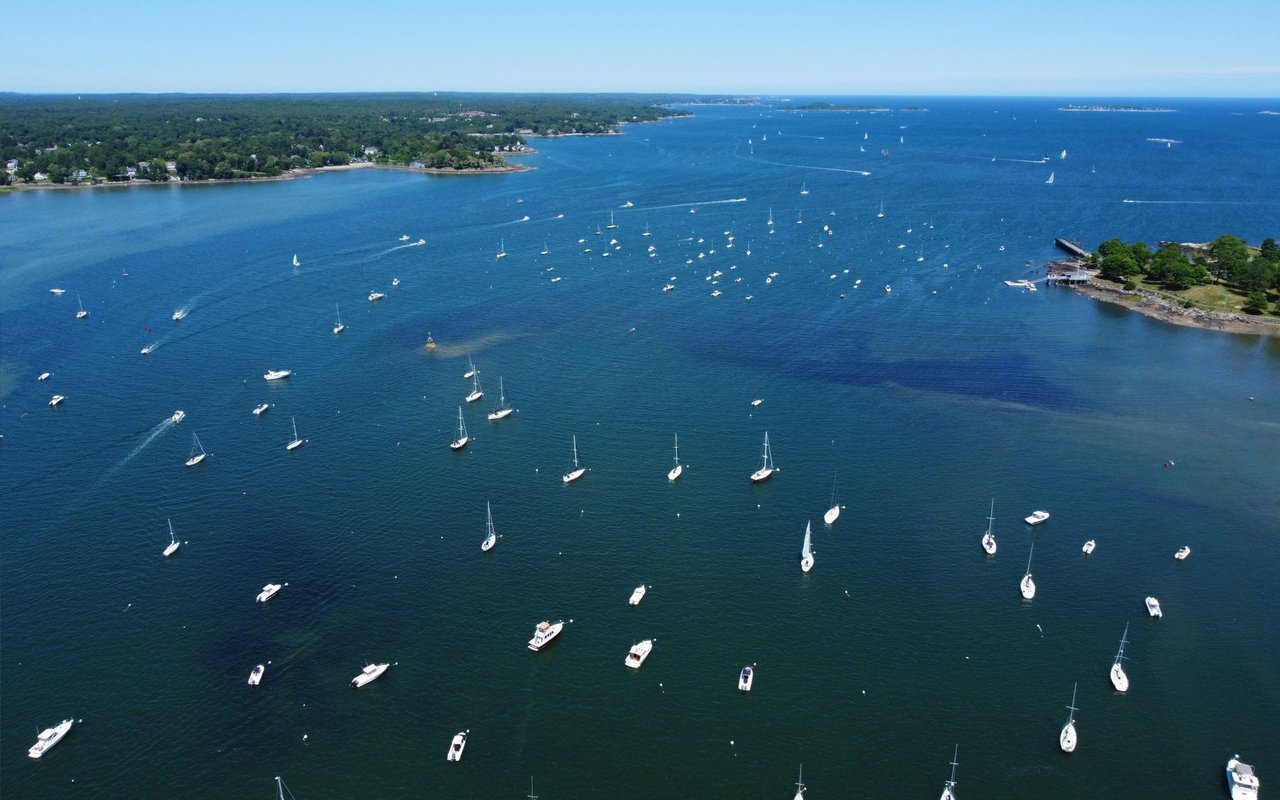
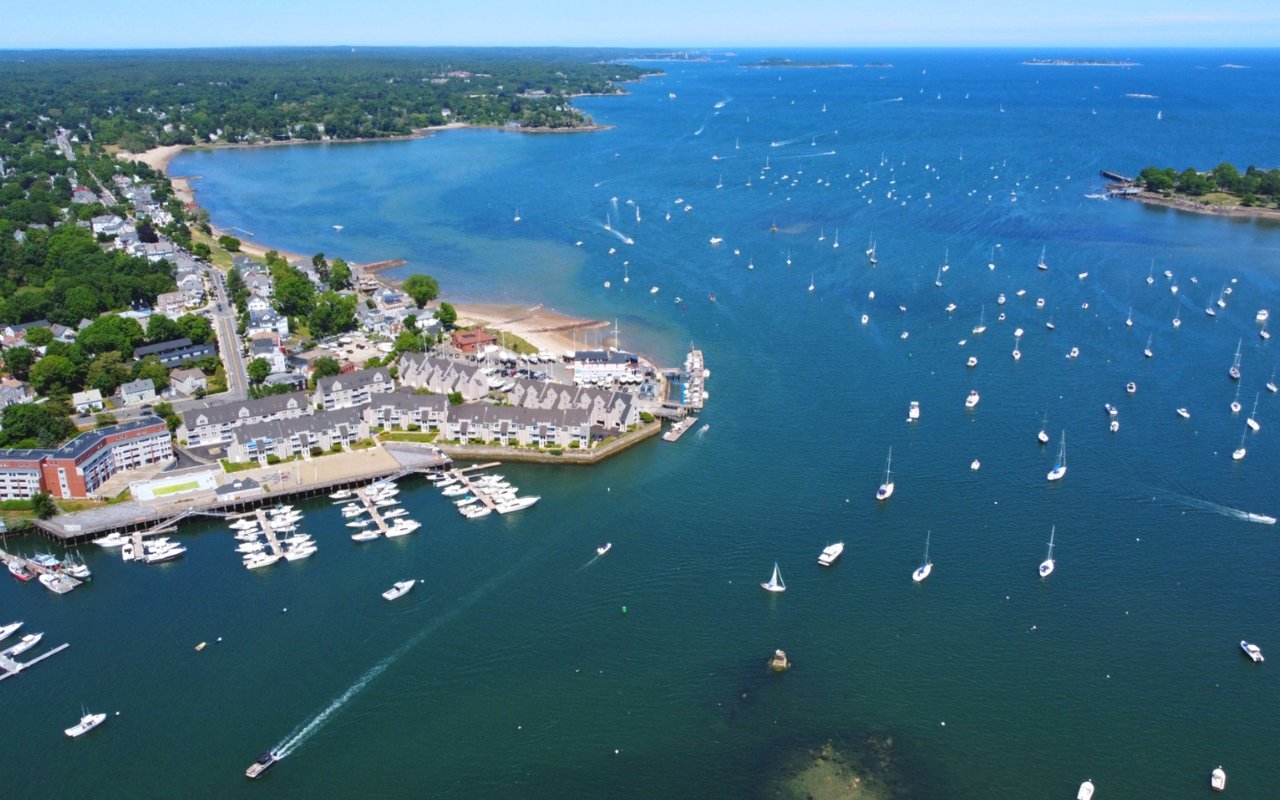
Gloucester Inner Harbor is one of ten areas in Massachusetts formally designated as a Designated Port Area, a state classification meant to protect water-dependent industrial uses like commercial fishing and shipping from being crowded out by other development. The city's 2025 Municipal Harbor Plan and Designated Port Area Master Plan, approved by the state in July 2025, reaffirmed that priority for at least another decade, covering the stretch from the Rocky Neck peninsula to the Blynman Canal along Western Avenue, Commercial Street, Rogers Street, and East Main Street.
That designation means the rules on what can be built, converted, or licensed differ sharply depending on which side of an invisible boundary a property sits on. A home a few streets inland that simply overlooks the harbor operates under ordinary residential rules. A parcel inside the working waterfront area, or one whose dock or fill sits within Chapter 91 jurisdiction, answers to a different set of priorities built around preserving the harbor for maritime use.
Buyers occasionally run into this directly in listing language itself. A recent East Gloucester listing for a mixed use waterfront-adjacent building carried an explicit instruction for buyers to complete their own due diligence with the city regarding future use, rather than a settled answer baked into the price. That caution is not boilerplate. It reflects the same underlying reality: proximity to Gloucester Harbor does not automatically come with the flexibility a buyer might assume from the price tag or the view.
A Seller's Documentation Checklist
For anyone preparing to list a waterfront property with a dock, the paperwork is worth assembling well before a buyer's attorney asks for it. At minimum, that means:
- The original Chapter 91 license number and issue date
- Confirmation the license was recorded at the registry of deeds, not just filed with the state
- The remaining term before renewal is required
- Written confirmation that the dock's current footprint matches what the license actually authorizes, since any change in size or use can trigger the need for an entirely new license
- Any maintenance or public access conditions attached to the license, since some carry ongoing obligations that pass to future owners
A clean answer to each of those points is worth real money at the negotiating table. A vague one invites a buyer's attorney to slow the deal down at the exact moment everyone wants to close.
What This Changes About How You Shop for a Dock
Two docks a quarter mile apart on Smith Cove can look identical from a boat and carry entirely different risk profiles once you pull the license history. One might have a decade of clean term left and a properly recorded license. The other might be operating on paperwork that technically expired years ago and was never re-recorded after a prior sale, a gap that only surfaces when a title company starts asking questions.
This is language our team has used in our own marketing, describing an oceanfront listing on Rocky Neck as carrying a Chapter 91 permitted deep water dock, because that distinction is exactly what separates a dock a buyer can count on from one that simply photographs well. The state renewed its commitment to protecting the working waterfront just last year, so that distinction is only going to matter more, not less.
Questions Gloucester Waterfront Buyers Keep Asking
Does every dock in Gloucester Harbor need a Chapter 91 license? Any structure built in, on, or over tidal waters below the mean high water mark generally requires one, including private docks accessory to a home. Very small structures may qualify for a simplified review process, but the licensing requirement itself is not optional.
What happens if a license was never recorded? An unrecorded license can be treated as void with respect to future owners, even if it was validly issued at the time. That gap typically surfaces during a title search, not before.
Can a lapsed license simply be renewed after closing? Renewal is possible in many cases, but a lapsed or unauthorized structure discovered during a pending sale can still stall the transaction while the paperwork catches up, which is why sellers are better served resolving it before listing.
Does this apply to moorings, or only permanent docks? Permanent, pile-supported structures are the clearest case. Seasonal or floating structures can fall under different, often simpler permitting through the local harbormaster, so the answer depends on exactly what is in the water.
If you are weighing a waterfront purchase on Cape Ann or preparing to list one, the paperwork behind the dock deserves the same attention as the house itself. Nest | Syndi Zaiger Group works this kind of detail into every Gloucester harbor transaction, because the view is only half the value. Contact us to talk through what a specific property's dock history actually says before you make an offer or set a price.