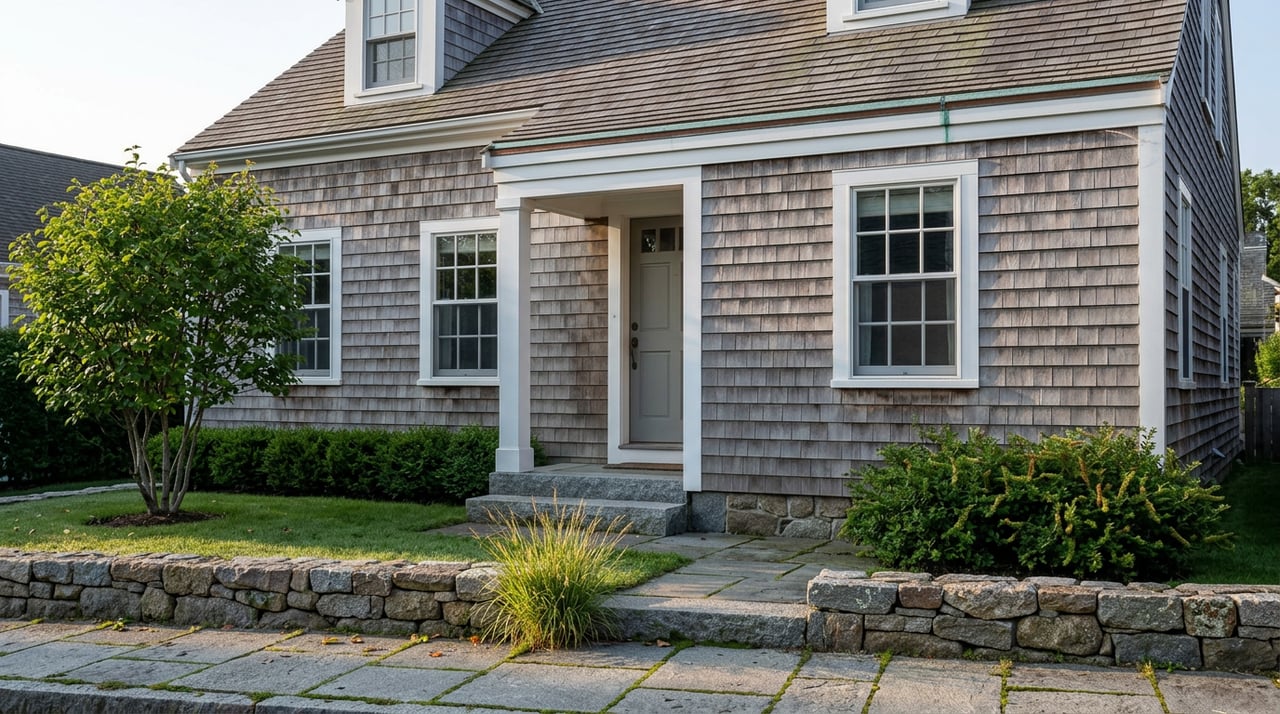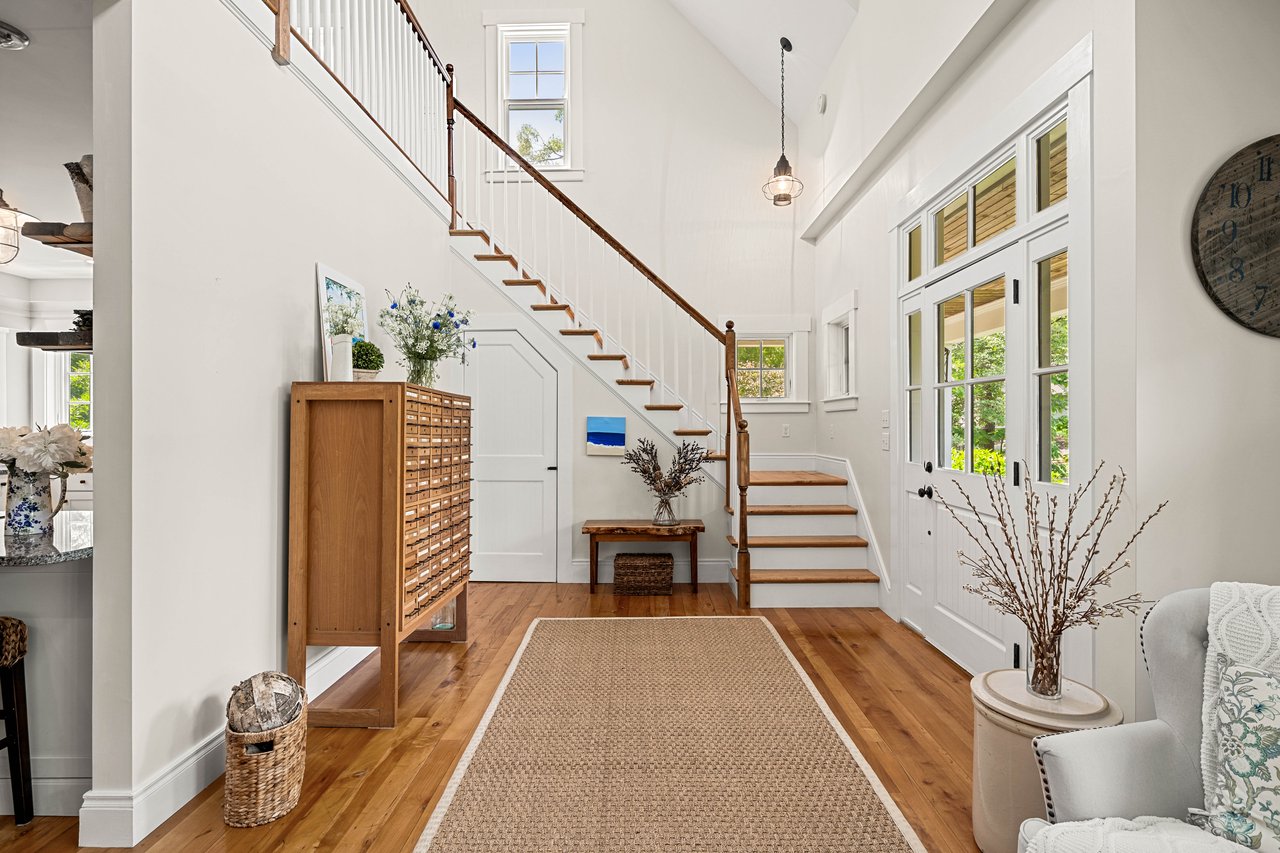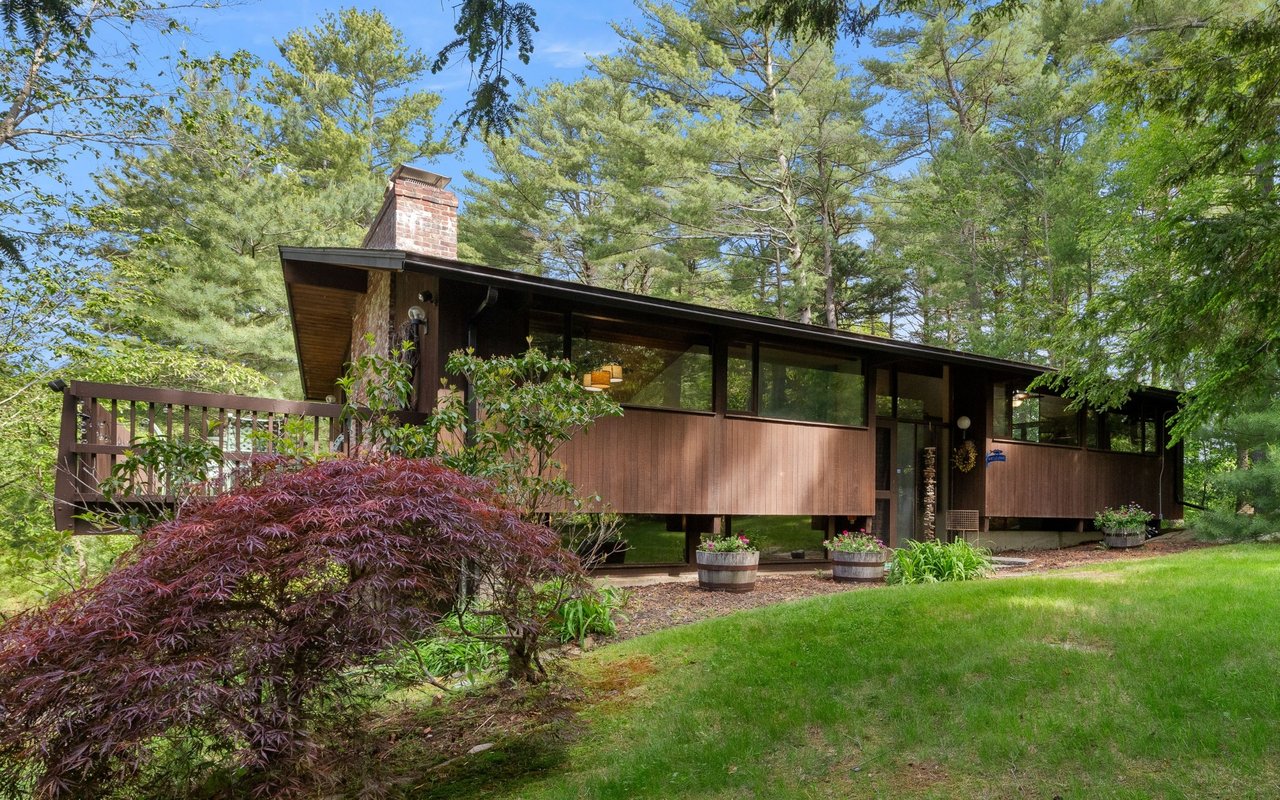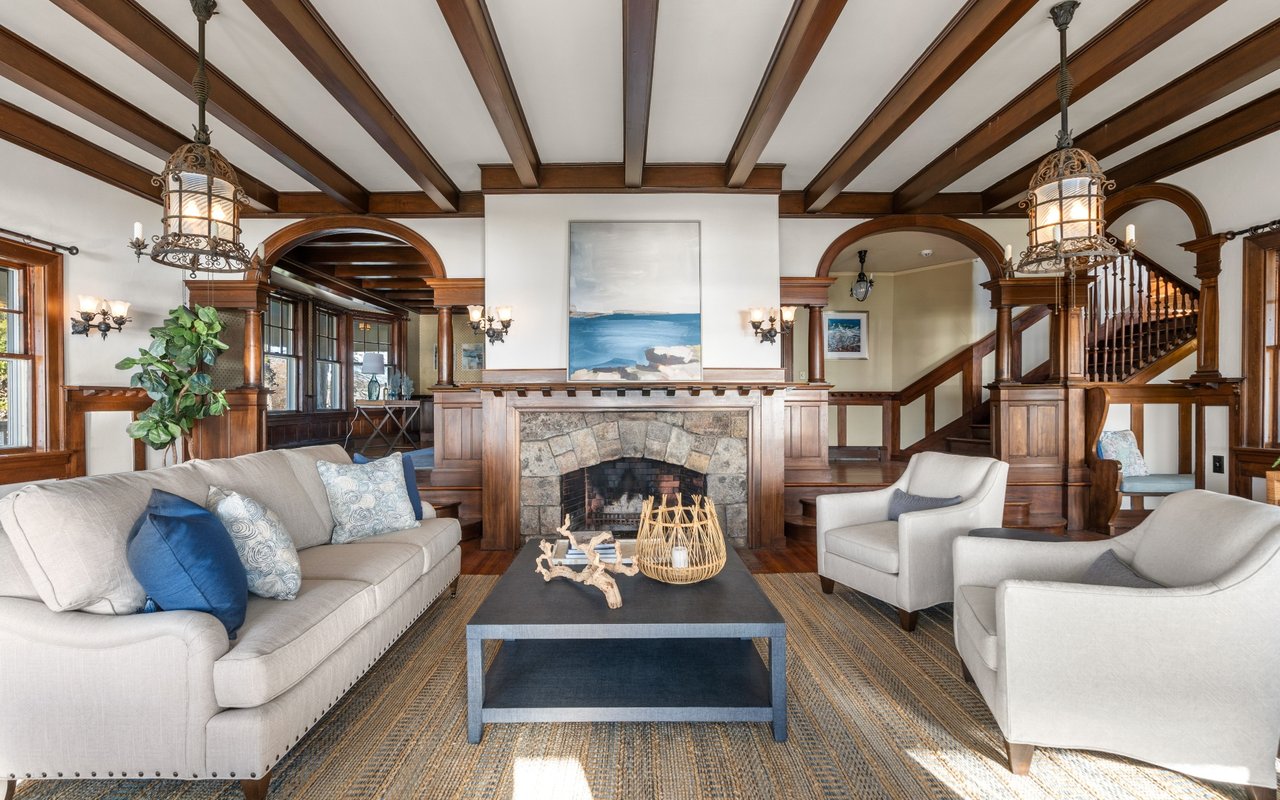

Most sellers of older Newburyport homes have been told the same story for years. The city loves its architecture, the Historical Commission has some say, and a determined buyer can eventually do what they want. That story is now out of date. On May 11, 2026, the City Council advanced Ordinance 217, which extends Newburyport's demolition delay from twelve months to eighteen for qualifying historic structures.
The delay is usually discussed as a preservation win. For a seller, it is something more specific: a repricing mechanism. It quietly removes the pure teardown buyer from the pool for a year and a half, which changes who bids on your house and at what number.
What Ordinance 217 Actually Changed
The Newburyport City Council voted during its meeting on Monday, May 11, 2026, to advance an amended demolition-delay ordinance that would extend the city's delay period to 18 months for qualifying historic structures, passing on first reading by a 9-2 vote after councilors first approved an amendment creating a straight 18-month delay. The June 1, 2026 council packet records the amendment carrying 8-3 and the final first-reading vote at 9-2, with Councilors DeLai and Zeid opposed.
The thresholds themselves did not move. The amendment applies to primary structures 75 years or older and accessory structures 100 years or older, when those structures have been determined by the Newburyport Historical Commission to be preferably preserved. What changed is the length of the runway a developer or renovation-heavy buyer has to plan around.
The push for a longer delay was rooted in specific properties, not abstract policy. Speaking for the Newburyport Preservation Trust, Jared Eigerman argued the current 12-month delay "doesn't do anything," citing recent houses on Spofford Street that, he said, "just went right into a landfill" after the delay expired. The council heard that pattern, and 18 months is what it produced.
Why 18 Months Reprices the Buyer Pool
A twelve-month delay is a nuisance a builder can carry. Land holding costs, permit sequencing, and a spring-to-spring construction window all fit inside that year with some margin. Eighteen months does not fit as cleanly. Interest carry on a $1.2M land basis for an extra six months is real money, and it lands before a single shovel moves.
The buyer who felt that math first is the small-scale developer targeting Federal-era shells in the South End and along the Merrimack. That buyer priced homes in the $850K to $1.1M band on the assumption of a fast permit path. With the extended delay, the same buyer either bids lower to absorb the carry, walks, or pivots to a substantial renovation that preserves the exterior envelope. All three outcomes reduce the number of teardown offers a seller receives.
The renovation buyer, by contrast, is largely indifferent to the ordinance. If the plan keeps the roofline, the primary massing, and enough of the exterior walls, the delay never triggers. That buyer is now competing against fewer bidders for the same house.
The Three Overlays That Decide Whether the Clock Starts
Newburyport layers three separate preservation regimes on top of the demolition delay, and a seller needs to know which one governs the parcel before pricing it.
Demolition Control Overlay District (DCOD). If the structure is listed as "Contributing" in the Newburyport Historic District Data Sheets, DCOD applies to any demolition of exterior walls in excess of 25%. If the DCOD ordinance is triggered then the Zoning Board of Appeals acts as the Special Permit Granting Authority for the project including any roofline changes while considering any advisory Historical Report issued by the Newburyport Historic Commission. DCOD is the tightest of the three because the ZBA, not the NHC, holds final authority.
Fruit Street Local Historic District. On October 29, 2007, the City Council adopted an ordinance establishing the City's first Local Historic District, which is comprised of the Fruit Street Historic District. If your home sits inside it, exterior changes visible from a public way require a Certificate of Appropriateness before a building permit can issue. This is the only formal LHD in the city; a broader 2012 proposal failed at the council.
Demolition Delay Ordinance (now 18 months). The Newburyport Historical Commission is charged with reviewing applications filed under the City's Demolition Delay Ordinance. Under this ordinance, any demolition outside the Demolition Control Overlay District or the Downtown Overlay District, or changes to roofline to structures 75 years old or older must be reviewed by the NHC. Accessory buildings must also be reviewed if they are 100 years old or older.
For a seller, the practical read is that most pre-1950 homes outside downtown fall under the demolition delay, and many older homes downtown fall under DCOD. The two rarely overlap, and confusion between them is a common reason offers unravel late.
What Actually Triggers a Review
The word "demolition" is misleading. The ordinance reaches further than most sellers expect. A partial project can trigger the same 18-month clock as a full teardown if it changes the roofline of an eligible structure. Renovations that stay under the roof and inside the wall envelope generally do not.
Triggers a seller should flag to a buyer's team before an offer is signed:
- Full demolition of a primary structure 75 years or older
- Any change to the roofline of an eligible primary structure
- Demolition of an accessory structure, such as a carriage house or barn, 100 years or older
- Exterior wall removal above 25% on a Contributing structure inside the DCOD
Non-triggers, which often surprise buyers in the opposite direction, include most interior gutting, mechanical replacement, kitchen and bath work, and additions that do not alter the existing roofline. This is the space renovation buyers will pay for. It is also the space to market.
The Seller's Sequence
Handled in the right order, the ordinance is a pricing tool rather than a deal killer. Handled late, it becomes a negotiation weapon in the buyer's hands two weeks before closing.
- Confirm age and status before listing. Pull the assessor record and cross-reference the Newburyport Historic District Data Sheets to see whether the property is Contributing, and whether it sits inside the DCOD or Downtown Overlay.
- Identify the likely buyer archetype. A Federal-era home on High Street with intact exterior detail is a renovation buyer's asset. A tired ranch on a large South End lot was a developer's asset under the old rules. Under the new rules, the ranch has moved closer to the renovation buyer's column too.
- Prepare the disclosure package early. Include prior NHC correspondence, any advisory Historical Reports, and, where available, a clean history of exterior alterations. Buyers underwriting an 18-month risk want documentation.
- Market to the constraint, not around it. Photography and copy that celebrate the exterior envelope carry more weight now, because that envelope is what the ordinance is protecting and what the widest buyer pool is paying for.
- Vet offers on plan, not just price. A slightly lower offer from a buyer whose plan preserves the roofline can close more reliably than a higher offer contingent on a demolition permit the NHC is likely to pause.
Pricing Around the Delay
The market context matters. Third-party MLS aggregators reported a Newburyport median sale near $900K in November 2025 with roughly 27 days on market and homes selling about 2% above list. Zillow's home value index for the city sat near $945K as of May 31, 2026. Those figures describe a market where well-prepared homes still move quickly, and where the difference between a renovation-ready presentation and a distressed-looking one shows up in the sale price rather than in time.
For a pre-1950 home, the practical implication is that the top of your buyer pool now weights preservation-friendly plans more heavily than it did last spring. If your comps were being set by teardown offers, expect the composition of your top offers to shift toward renovation buyers and their financing timelines.
Questions Sellers Keep Asking
Does the 18-month delay stop a buyer from tearing down my house? No. "Not all 75-year-old buildings are protected. Seventy-five years is used for screening," Eigerman told the council. The NHC still has to hold a hearing and vote that a specific building is important and intact enough to preserve. The delay is a pause, not a veto.
Is my house automatically covered because it is in the National Register district? Federal listing is separate from local regulation. Newburyport's National Register Historic District, established in 1984, is the largest in Massachusetts and encompasses over 2,900 structures, but federal designation on its own does not restrict private demolition. The demolition delay, DCOD, and Fruit Street LHD are the local instruments that do.
Can a buyer just wait out the delay? Some can. The eighteen-month figure was chosen in part because the council concluded that twelve months was too easy to sit through. That is why offer plan and buyer type matter more than offer price alone.
Does the ordinance affect condos in converted historic buildings? Interior work and unit-level renovations are generally outside the ordinance's reach. Exterior changes to the shared envelope of a Contributing building can still trigger DCOD review through the association.
If you own a pre-1950 Newburyport home and are weighing a sale in the next twelve to twenty-four months, the right conversation now is about buyer type, exterior condition, and disclosure sequencing rather than list price. Nest | Syndi Zaiger Group works with sellers of Federal-era, Greek Revival, and coastal historic homes across Newburyport and the North Shore, and we would welcome the chance to walk your property before the ordinance shapes your offers for you.