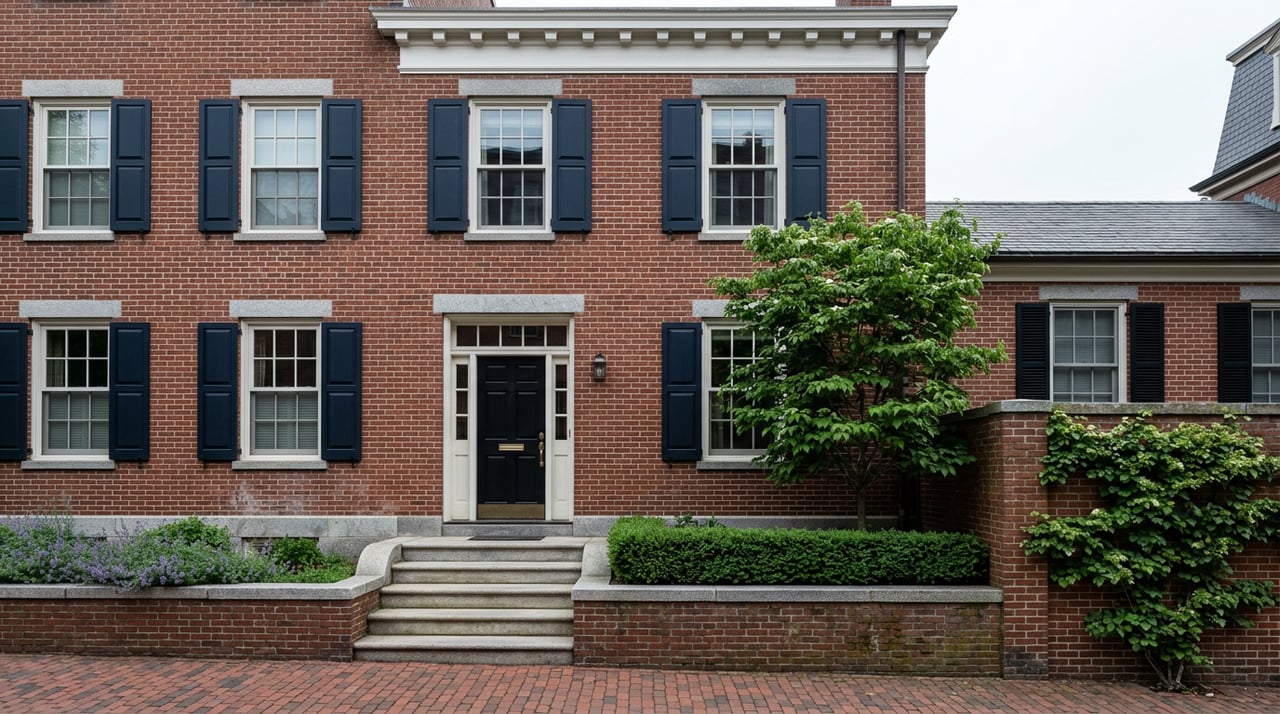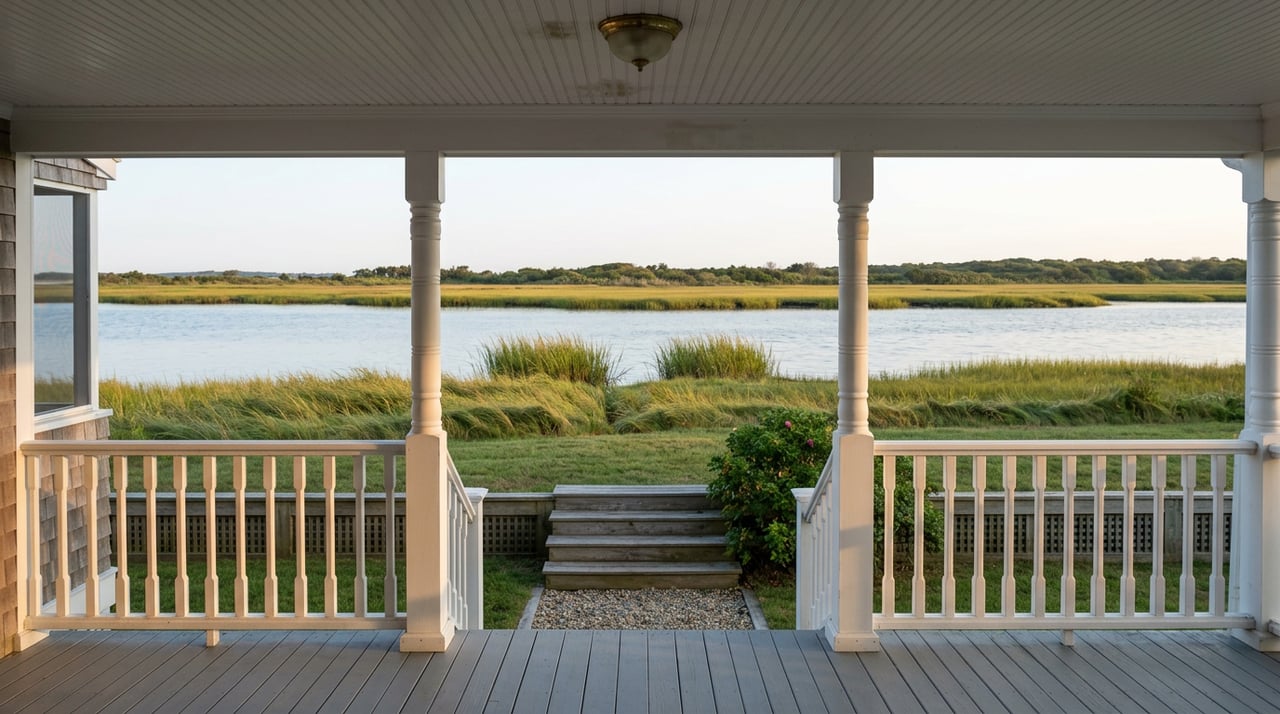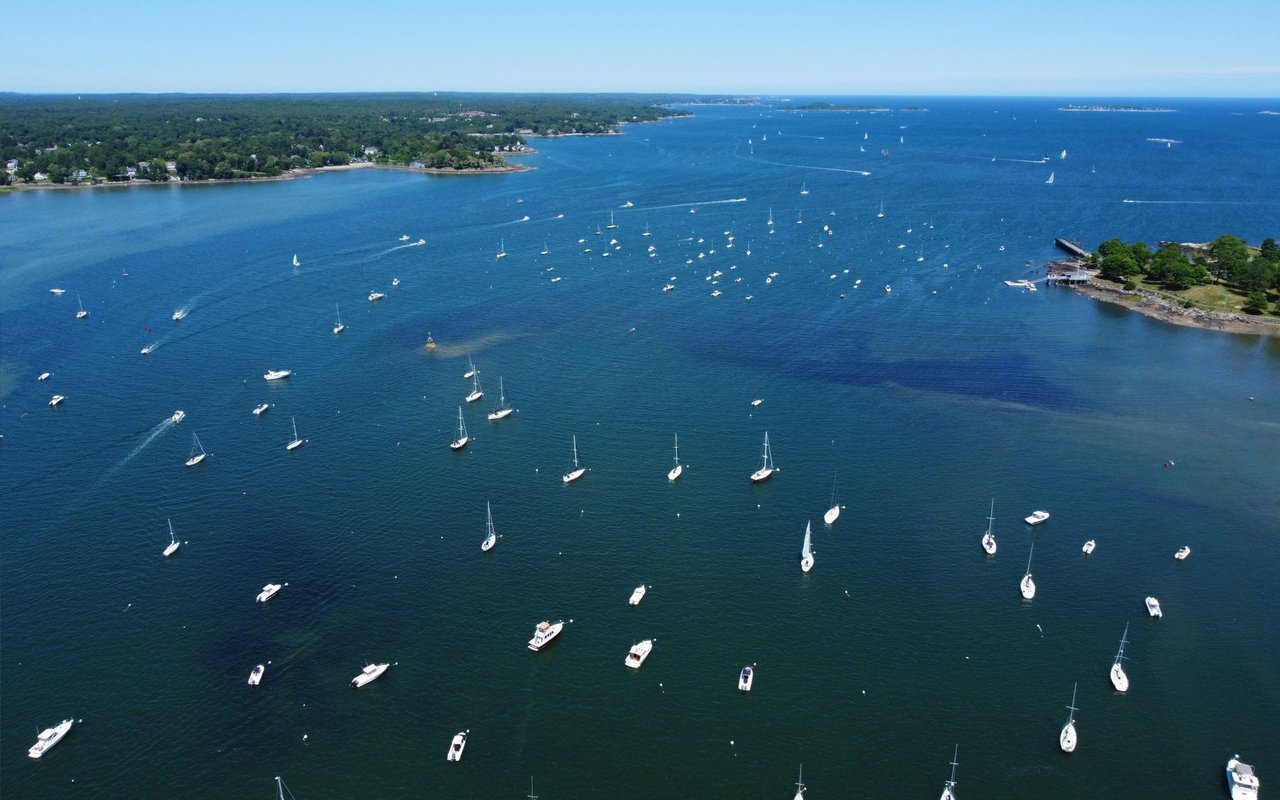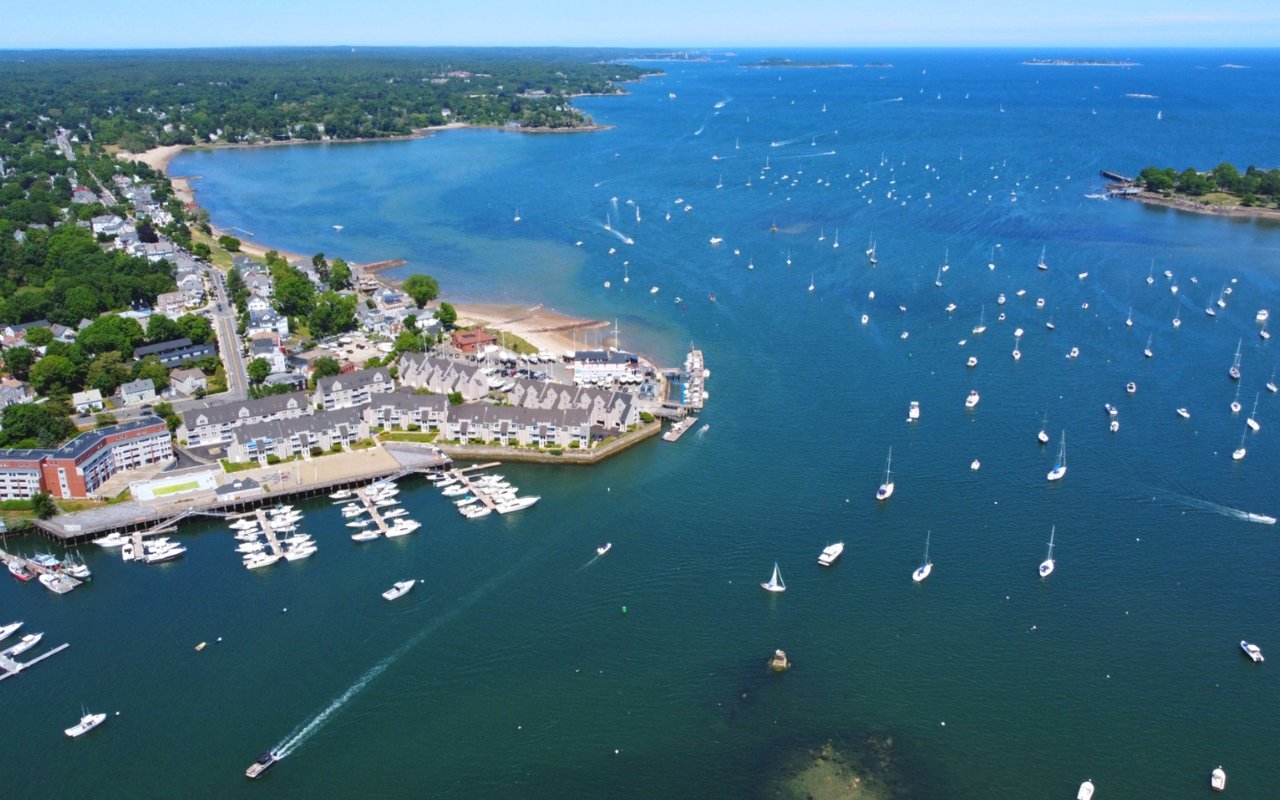

In most Massachusetts towns, a failed Title 5 inspection is a budget problem. The seller writes a check, the system gets replaced or escrowed, and the deal moves on. In Manchester-by-the-Sea, it is a geography problem first and a budget problem second, and the geography was set in 1914.
That is the part sellers learn late. The town has both a public sewer and private septic systems, but the line between them was drawn more than a century ago and has barely moved since. If your house sits outside that line, the Title 5 report is not a step in your sale. It is the structural condition of your lot.
The Line Drawn in 1914
Manchester's sewer collection system was built between 1912 and 1914 to serve the dense center of town. The harbor village, Beach Street, the blocks around the train station, and a handful of streets within walking distance of the depot were the original service area, and the map has been refined more than it has been expanded.
Everything else is on septic. That includes most of the homes the luxury market actually trades: the Forster Road and Smith's Point enclaves, the lots threading toward Singing Beach and Black and White beaches, the larger parcels off Coolidge Point, the wooded acreage on Hickory Hill and Eaglehead Road. The Manchester Board of Health publishes Title 5 inspection reports by address on the town site, and a quick scroll through the list reads like a tour of the streets Nest sells on most often.
Why "Just Hook Up to Sewer" Isn't an Option
Sellers occasionally ask whether a failed system can simply be retired by tying into the municipal line. The answer is almost always no, and the reason is a regulatory cap most buyers and many agents have never heard of.
Manchester's wastewater treatment plant sits at the harbor's edge, less than ten feet above sea level. It was designed to handle 1.2 million gallons per day, but it operates under what the town calls an Ocean Sanctuaries Limit of 0.67 million gallons per day on an annual average basis, a discharge ceiling that effectively prevents the sewer collection system from expanding. The plant can treat more water than the ocean is permitted to receive.
The town's own Sewage Treatment description states that the Ocean Sanctuaries Limit "effectively limits expansion of the sewer collection system."
The practical effect for a seller: if your house is on septic now, it will be on septic when you sell, and so will the next owner's. The buyer's diligence will reflect that. So should yours.
What Title 5 Actually Checks, and Where Manchester Adds a Layer
Statewide rules under 310 CMR 15.000 require a passing Title 5 inspection within two years before the sale, or three years if the system has been pumped annually with records to prove it. The inspector locates and evaluates the tank, the distribution box, and the leach field, and issues one of three findings: pass, conditional pass, or fail. A conditional pass is most often a distribution box repair, which becomes a passing result once the Board of Health issues a Certificate of Compliance.
Manchester layers its own Drinking Water Protection Regulation on top. The town relies on the Gravelly Pond Reservoir, the Round Pond wells, and the Lincoln Street Well for its public water supply, and has identified the Cedar Swamp wells as a future source. Properties inside the Ground and Surface Water Resource Overlay Protection District face additional review of wastewater impacts, and any property near Gravelly Pond, Round Pond, Sawmill Brook, or Cedar Swamp can trigger nitrogen and phosphorus loading analysis that a routine Title 5 inspection does not perform.
| Layer | What it governs | What triggers it |
|---|---|---|
| State Title 5 (310 CMR 15.000) | Tank, D-box, leach field, setbacks, design flow | Transfer of title within 2 years (or 3 with pumping records) |
| Manchester Drinking Water Protection Reg. | Nitrogen and phosphorus loading, well proximity | Lots inside the GSWROPD or near named ponds, brooks, aquifers |
| State watershed permit framework (314 CMR 21.00) | Nitrogen Sensitive Area upgrades | Designated NSAs, currently focused on Cape Cod watersheds |
The third row matters more for context than for current compliance. The 2023 nitrogen-sensitive-area regulations and the watershed permit program apply to designated watersheds, most of which sit on Cape Cod and the South Coast. Manchester is not on that list today. Sellers should still know it exists, because Best Available Nitrogen Reducing Technology installations run roughly $17,000 to $36,000 according to MassDEP, and the regulatory direction across coastal Massachusetts is toward more, not less, nitrogen oversight.
The Sequence That Protects a $1.3M Sale
Recent comps tell a specific story about what is at stake when a Title 5 question gets handled badly. Manchester-by-the-Sea's median sale price now sits around $1.3 million, up roughly 11% year over year on the most recent twelve-month window. In June 2026, Boston Magazine ran a side-by-side feature comparing a restored Peabody & Stearns estate in Manchester, listed by Lanse Robb of LandVest, with a gated Brookline townhome at the same price, and noted that the Manchester property moved quickly with little negotiation while the Brookline home took longer and required a price adjustment. That is the kind of outcome a clean diligence file protects. A late-breaking septic surprise is one of the few things that can interrupt it.
A defensible pre-listing sequence in Manchester looks like this:
- Pull every pumping receipt you can find. Three years of documented annual pumping extends a passing Title 5 from two years to three and is the single cheapest piece of leverage you have.
- Order the Title 5 before you list, not after you accept an offer. The state's average inspection cost runs roughly $400 to $800, and the report is good for two years regardless of when you close.
- If the system is more than fifteen years old, ask the inspector to flag the distribution box specifically. A D-box repair is the most common conditional pass and a few hundred dollars handled now is worth far more than a renegotiation later.
- Confirm whether the lot sits inside the Ground and Surface Water Resource Overlay Protection District. If it does, a buyer's attorney will ask, and a pre-emptive answer reads as confidence.
- If there is a salt-based water softener on the property, verify it backwashes to a dry well, not the septic. Connecting the two is a state Title 5 violation and will fail an otherwise healthy system.
When the Inspection Doesn't Pass
Statewide, replacement of a conventional system runs $10,000 to $30,000 in most settings and can reach $50,000 or more where ledge, high water table, or constrained setbacks complicate design. Manchester's coastal lots see all three. Engineering plans go to the Board of Health for a 45-day review window before installation can begin, which is the part of the timeline that most often collides with a closing date.
If repair before closing isn't feasible, lenders typically allow a 1.5x escrow holdback against the highest of the contractor estimates. A $25,000 replacement becomes a $37,500 escrow, and not every lender will agree to the structure. Listing as "Failed Title 5 report in hand" narrows the buyer pool but tends to produce a cleaner transaction than a passing inspection that gets re-litigated during the buyer's diligence.
Massachusetts also offers a Schedule SC tax credit of up to $6,000 spread over four years for septic repairs to a primary residence, capped at $1,500 in any single year, available once the upgrade is complete. It does not change pre-closing economics, but it changes the conversation with a buyer who is wondering aloud what the next decade of ownership looks like.
Questions Sellers Keep Asking
Does a passing Title 5 mean the system is good for another twenty-five years? No. The inspection is a snapshot. It confirms the system protects public health and the environment in its current condition and gives no warranty against later failure. Buyers know this, which is why pumping records carry weight beyond the inspection itself.
Can I sell "as-is" and let the buyer deal with Title 5? Practically, no. Conventional mortgage financing in Massachusetts will not close without either a passing inspection or a lender-approved escrow. Cash buyers have more flexibility, but at the $1M-plus tier in Manchester they almost always ask for the report anyway.
My system passed two years ago. Do I need a new inspection? Probably not, if the passing date is within two years of closing, or three years with continuous annual pumping documentation. Confirm with your closing attorney before you assume.
The wastewater plant sits in the FEMA 100-year floodplain. Does that affect my sale? It affects the town's long-term infrastructure planning more than it affects an individual transaction. The town is studying adaptation options for the plant, and that work shows up in capital exclusion conversations at Town Meeting rather than in your purchase and sale agreement.
The map of Manchester-by-the-Sea, for septic purposes, is not the map most sellers picture. It is the map drawn in 1914, capped by a discharge limit set decades later, and overlaid by a Board of Health regulation written to protect four specific water bodies. A well-prepared seller treats that as information, not as obstacle.
If you are thinking about bringing a Manchester home to market this year and want a frank read on how the diligence will land, the team at Nest | Syndi Zaiger Group is happy to walk the property and the paperwork with you before anything goes live. Contact Us.